
Introduction
Agriculture and livestock farming have been the foundation of human civilization for thousands of years. Today, however, these industries face unprecedented challenges. Rapid population growth, climate change, water scarcity, rising production costs, and increasing consumer demand require innovative solutions that go beyond traditional farming methods.
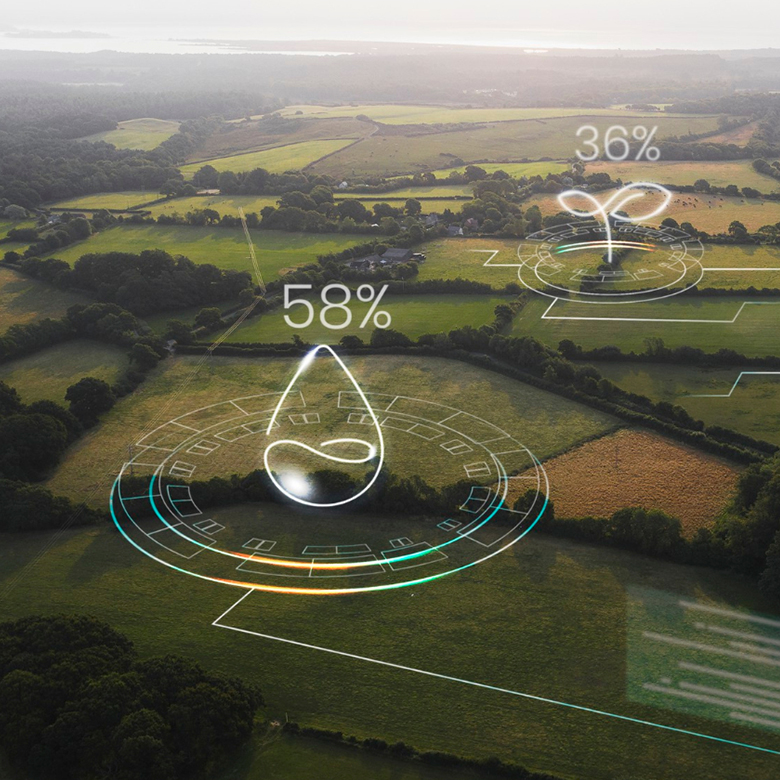
To address these challenges, farmers and agricultural businesses around the world are adopting advanced technologies that improve productivity, efficiency, and sustainability. The integration of digital solutions into farming operations has given rise to a new era known as Smart Agriculture.
From precision farming and automated irrigation systems to livestock monitoring and data-driven decision-making, technology is transforming how food is produced, managed, and delivered to global markets.
In this article, we explore how smart agriculture and livestock management technologies are revolutionizing the industry and creating new opportunities for sustainable growth.
What is Smart Agriculture?
Smart Agriculture refers to the use of modern technologies, digital tools, and data analytics to optimize farming operations.
Unlike traditional farming methods that often rely on estimation and manual processes, smart agriculture enables farmers to make accurate decisions based on real-time information.
These technologies include:
- Internet of Things (IoT) devices
- Artificial Intelligence (AI)
- Agricultural drones
- GPS systems
- Smart sensors
- Automated machinery
- Cloud-based management platforms
The goal is simple: produce more food while using fewer resources and minimizing environmental impact.
Why Technology is Becoming Essential in Agriculture
Modern agricultural businesses must maximize efficiency while maintaining product quality and sustainability.
Technology helps address several critical challenges:
Increasing Food Demand
The global population continues to grow, creating a greater demand for food production.
Climate Change
Unpredictable weather patterns can significantly impact crop yields and livestock health.
Limited Resources
Water, land, and energy resources must be managed more efficiently.
Rising Operational Costs
Labor shortages and increasing production expenses require smarter solutions.
Technology enables farmers to overcome these challenges while remaining competitive in local and international markets.
Precision Farming: Improving Productivity Through Data
Precision farming is one of the most impactful innovations in modern agriculture.
This approach uses technology to monitor and manage farming activities with exceptional accuracy.
Instead of treating an entire field uniformly, farmers can analyze specific areas and apply resources exactly where they are needed.
Benefits include:
- Higher crop yields
- Reduced fertilizer usage
- Better water management
- Lower operational costs
- Improved environmental sustainability
By utilizing real-time data, agricultural businesses can make informed decisions that improve both productivity and profitability.
Smart Irrigation Systems and Water Conservation
Water management has become one of the most important concerns in agriculture.
Traditional irrigation methods often lead to significant water waste.
Smart irrigation systems solve this problem by using sensors and automated controls to monitor:
- Soil moisture levels
- Weather conditions
- Crop water requirements
- Temperature variations
These systems automatically adjust irrigation schedules based on actual field conditions.
The result is:
- Reduced water consumption
- Lower operating costs
- Improved crop health
- Increased agricultural efficiency
Efficient water management is critical for ensuring long-term agricultural sustainability.
The Growing Role of Artificial Intelligence in Farming
Artificial Intelligence is becoming a valuable tool for agricultural businesses.
AI-powered systems analyze vast amounts of data collected from farms and generate actionable insights.
Applications include:
Crop Disease Detection
AI can identify signs of disease before they become visible to the human eye.
Yield Prediction
Advanced algorithms help estimate future harvest volumes.
Weather Forecasting
Accurate weather predictions support better planning and resource allocation.
Resource Optimization
AI helps farmers determine the most efficient use of water, fertilizers, and labor.
These capabilities enable businesses to improve productivity while minimizing risks.
Drone Technology and Aerial Farm Monitoring
Agricultural drones have transformed the way farmers monitor large areas of land.
Drones provide high-resolution aerial imagery that offers valuable insights into field conditions.
Farmers can use drones to:
- Assess crop health
- Detect pest infestations
- Identify irrigation problems
- Monitor plant growth
- Create field maps
The ability to gather accurate information quickly allows agricultural businesses to respond to issues before they affect production.
Drone technology has become an essential component of modern precision farming strategies.
Livestock Management in the Digital Era
Technology is not only transforming crop production but also revolutionizing livestock farming.
Modern livestock operations use advanced monitoring systems to improve animal health, productivity, and welfare.
Smart Animal Monitoring
Wearable sensors can track:
- Body temperature
- Activity levels
- Feeding behavior
- Health indicators
These systems provide real-time alerts when abnormalities are detected.
Improved Disease Prevention
Early detection allows farmers to address health issues before they spread throughout the herd.
Better Breeding Management
Digital monitoring tools help optimize breeding programs and improve herd performance.
By leveraging technology, livestock producers can achieve higher productivity while ensuring animal well-being.
Technology in Dairy Production
The dairy industry has experienced significant technological advancement in recent years.
Modern dairy farms utilize automated systems to improve efficiency and milk quality.
Examples include:
Automated Milking Systems
Robotic milking solutions reduce labor requirements while ensuring consistent milking processes.
Milk Quality Monitoring
Digital sensors continuously evaluate milk quality and safety standards.
Herd Management Software
Farm managers can monitor production data, animal health records, and feeding schedules from a centralized platform.
These innovations help dairy businesses increase output while maintaining high-quality standards.
Sustainability and Environmental Responsibility
Sustainability has become a key priority for agricultural businesses worldwide.
Consumers increasingly prefer products sourced from environmentally responsible operations.
Technology supports sustainability through:
Reduced Water Usage
Smart irrigation systems minimize waste.
Lower Chemical Consumption
Precision agriculture reduces excessive fertilizer and pesticide applications.
Improved Energy Efficiency
Modern equipment consumes fewer resources.
Better Land Management
Data-driven decisions support long-term soil health and productivity.
Sustainable farming practices benefit both businesses and the environment.
The Economic Benefits of Agricultural Technology
Investing in agricultural technology delivers measurable financial advantages.
Benefits include:
- Increased crop yields
- Reduced production costs
- Improved product quality
- Higher profitability
- Better risk management
- Enhanced operational efficiency
Although technology requires initial investment, the long-term return often exceeds the cost.
Businesses that embrace innovation are better positioned for future growth and market competitiveness.
Future Trends in Agriculture and Livestock Management
The future of agriculture will be increasingly connected, automated, and data-driven.
Emerging technologies include:
- Artificial Intelligence
- Machine Learning
- Blockchain Traceability
- Autonomous Farm Equipment
- Smart Supply Chains
- Advanced Livestock Analytics
These innovations will continue transforming food production and supply chain management worldwide.
Organizations that adopt modern technologies today will be better prepared to meet future industry demands.
Conclusion
Technology is reshaping agriculture and livestock farming in remarkable ways. Smart agriculture, precision farming, artificial intelligence, drone monitoring, and automated livestock management systems are helping businesses increase productivity while promoting sustainability.
As global demand for food continues to rise, innovation will play a critical role in ensuring efficient, reliable, and environmentally responsible production.
Companies that invest in agricultural technology today are building the foundation for long-term success, stronger profitability, and sustainable growth in the years ahead.
FAQ
What is smart agriculture?
Smart agriculture uses digital technologies such as sensors, automation, data analytics, and artificial intelligence to improve farming efficiency and productivity.
How does technology improve livestock management?
Technology enables farmers to monitor animal health, behavior, and productivity in real time, helping improve welfare and operational efficiency.
Why is precision farming important?
Precision farming helps optimize resource usage, reduce costs, improve yields, and minimize environmental impact.
How does technology support sustainable agriculture?
Modern technologies reduce water waste, improve energy efficiency, lower chemical usage, and support responsible resource management.